Ledger Login: Secure Access to Your Crypto Universe
Learn how to safely log into your Ledger device, use Ledger Live efficiently, and protect your digital wealth through advanced crypto security practices.
Understanding the Ledger Login Process
Logging into your Ledger device isn’t the same as signing into a website. Ledger’s approach to security relies on a combination of hardware-based encryption, PIN verification, and offline transaction signing. This ensures your private keys never leave the device — making unauthorized access virtually impossible.
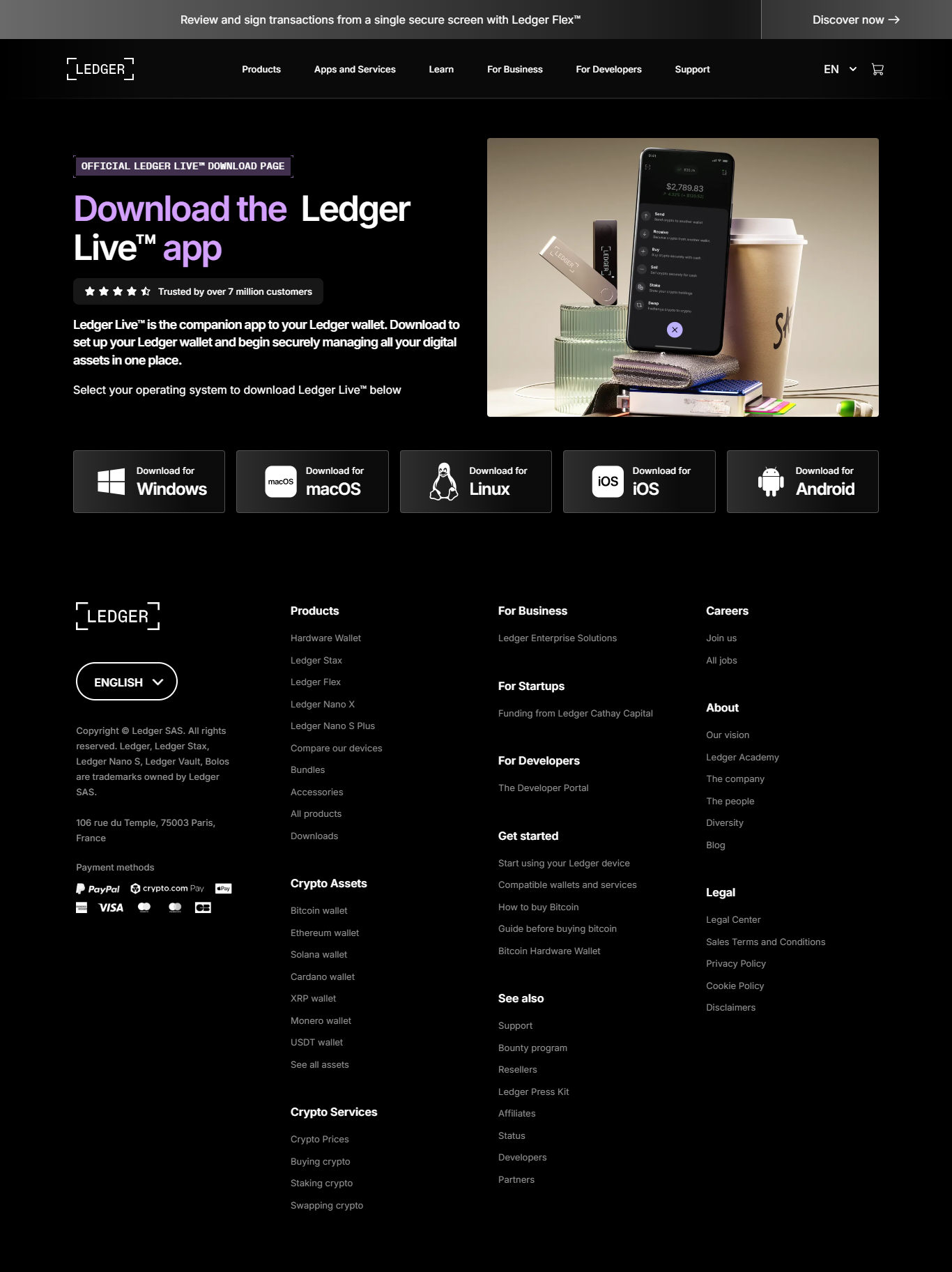
To access your crypto holdings, you’ll use the Ledger Live app, which connects to your hardware wallet and allows you to manage your digital assets, including Bitcoin, Ethereum, and hundreds of other coins. Let’s break down how Ledger login actually works.
🔐 Step-by-Step: How to Log In to Ledger
This process keeps your private keys securely stored on the device, while Ledger Live acts as a visual management tool for your assets.
Why Ledger Login is Safer Than Traditional Authentication
In traditional logins — like those on exchanges or wallets — passwords and credentials are stored on online servers, creating potential vulnerabilities. Ledger’s login process bypasses this risk by relying solely on offline verification.
- No passwords or usernames stored online
- Private keys stay offline inside your hardware wallet
- Every transaction must be manually confirmed on the device
- Protection from phishing and malware attacks
💡 Pro Tip: Enable Ledger’s Advanced Security Settings
Ledger Live allows you to set up an additional password lock on the app itself. You can also activate hidden wallets, use passphrases, and verify addresses directly on the device screen before confirming transactions.
Troubleshooting Ledger Login Issues
Sometimes, users may encounter connection problems during Ledger login. These issues can often be solved with simple fixes:
🔌 USB or Bluetooth Connection Errors
Ensure your cable is data-compatible and that Bluetooth permissions are granted on mobile devices. Restart both Ledger Live and the hardware wallet.
⚙️ Device Not Detected
Update the Ledger Live app and firmware. Outdated versions can prevent proper communication between your device and the app.
📖 Quick Comparison: Ledger Login vs Exchange Login
| Feature | Ledger Login | Exchange Login |
|---|---|---|
| Authentication | Hardware PIN & Physical Verification | Username + Password |
| Private Key Storage | Offline (Device Only) | Online Servers |
| Risk of Phishing | Extremely Low | High |
| Control of Funds | User-Owned Keys | Platform-Owned Keys |
Ledger Login and Web3 Access
Beyond traditional crypto management, Ledger also integrates with Web3 apps through Ledger Live and Ledger Extension. You can connect your hardware wallet to decentralized exchanges (DEXs), staking platforms, and NFT marketplaces — all while maintaining the same security standards.
With the Ledger Extension, users can safely approve Web3 transactions without ever exposing their private keys, making Ledger login an entry point to both centralized and decentralized crypto ecosystems.
🧩 FAQ: Ledger Login Essentials
Q1: Can I log into Ledger from multiple devices?
Yes — you can install Ledger Live on different devices, but you must connect your Ledger hardware wallet each time for authentication.
Q2: What happens if I lose my Ledger device?
Your crypto remains safe. You can restore your wallet using the 24-word recovery phrase on a new device.
Q3: Is Ledger login the same as Ledger Live login?
Not exactly. Ledger login refers to unlocking your hardware device, while Ledger Live login refers to accessing your account in the companion app.
Secure Your Digital Future with Ledger Login
Your Ledger device is your digital safe — one that never shares your keys, never connects to untrusted servers, and never compromises your control. Understanding how Ledger login works is the first step toward total crypto sovereignty.
© 2025 SecureCrypto Insights — Ledger Login Guide. All rights reserved.